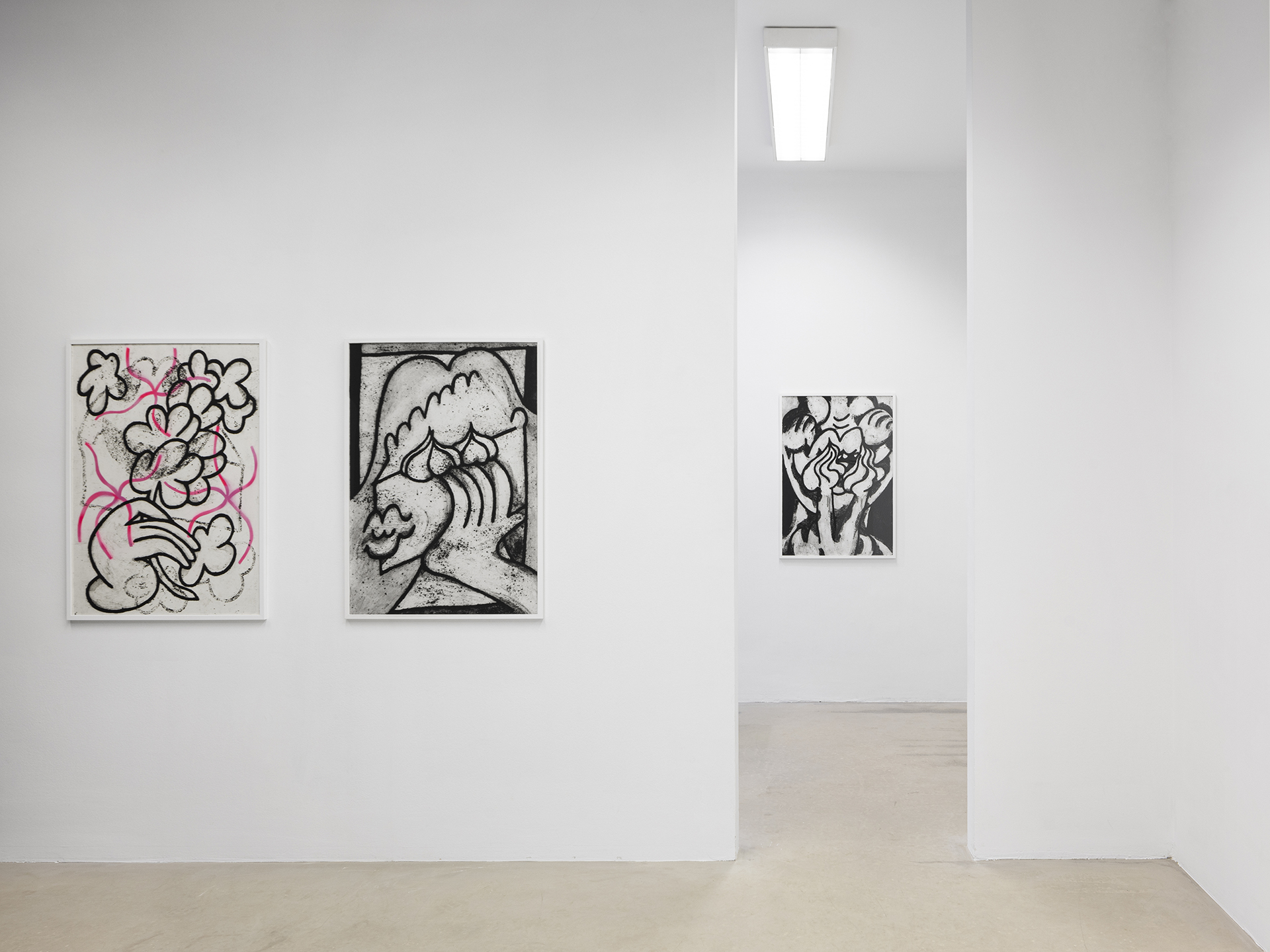
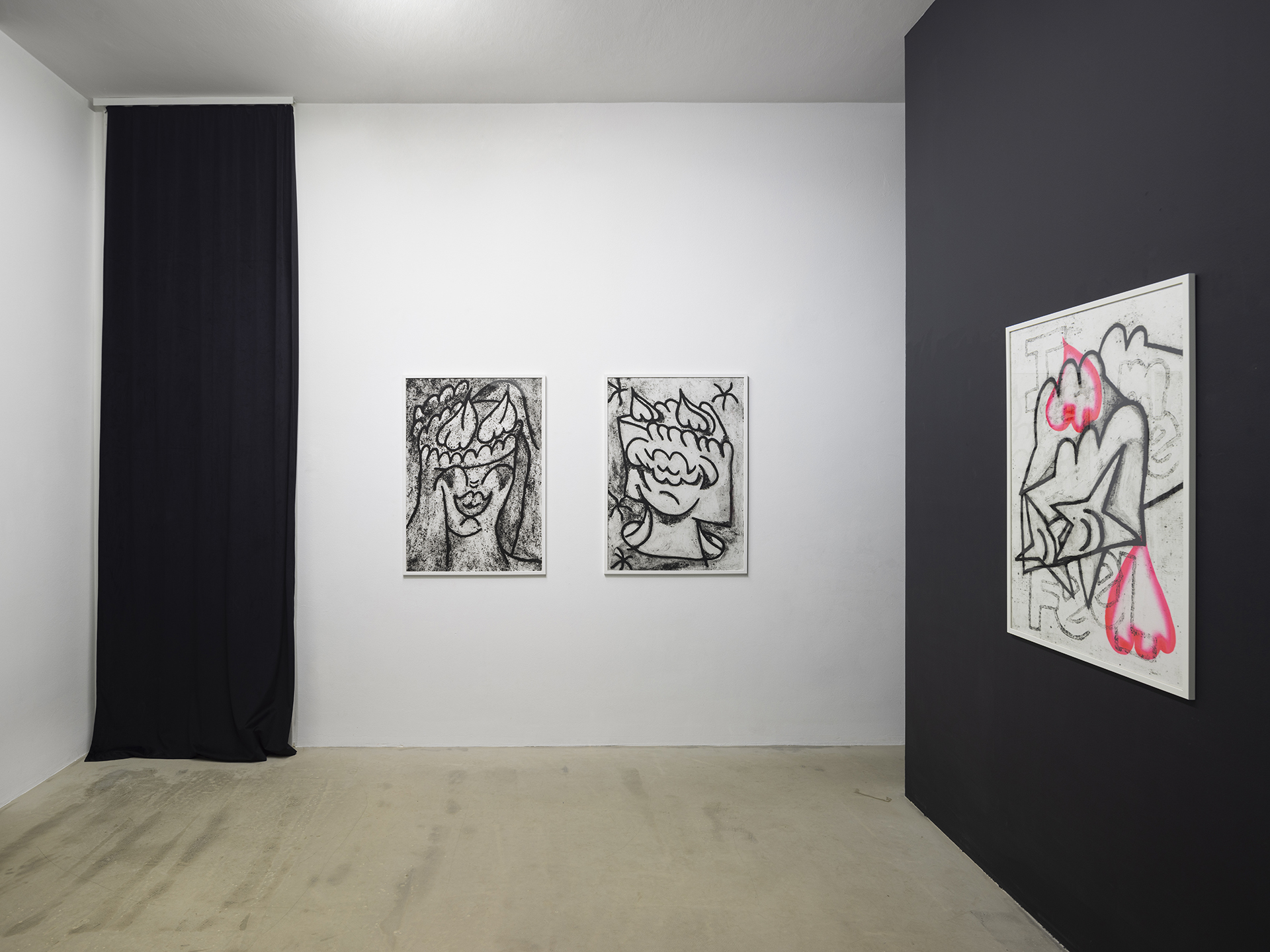
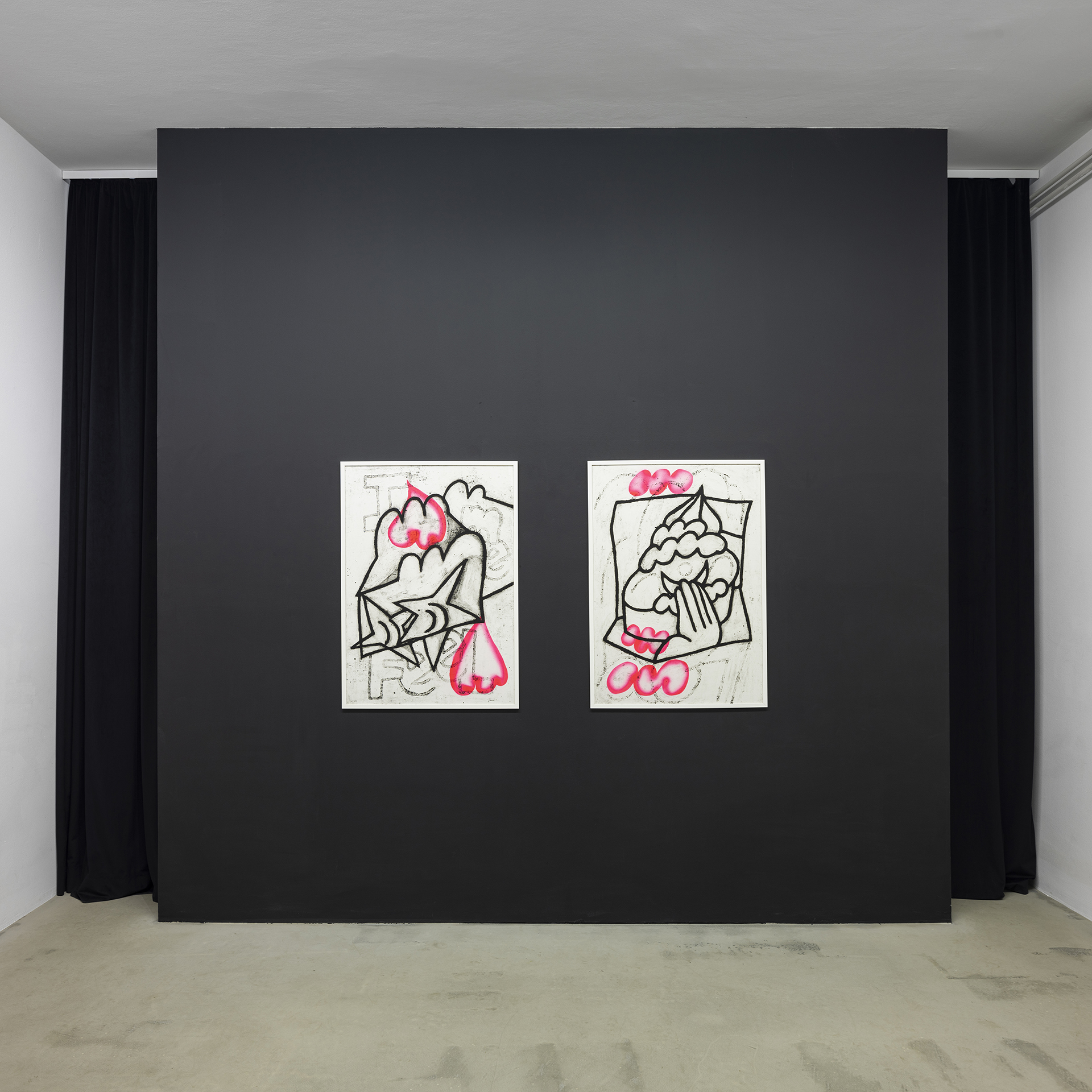
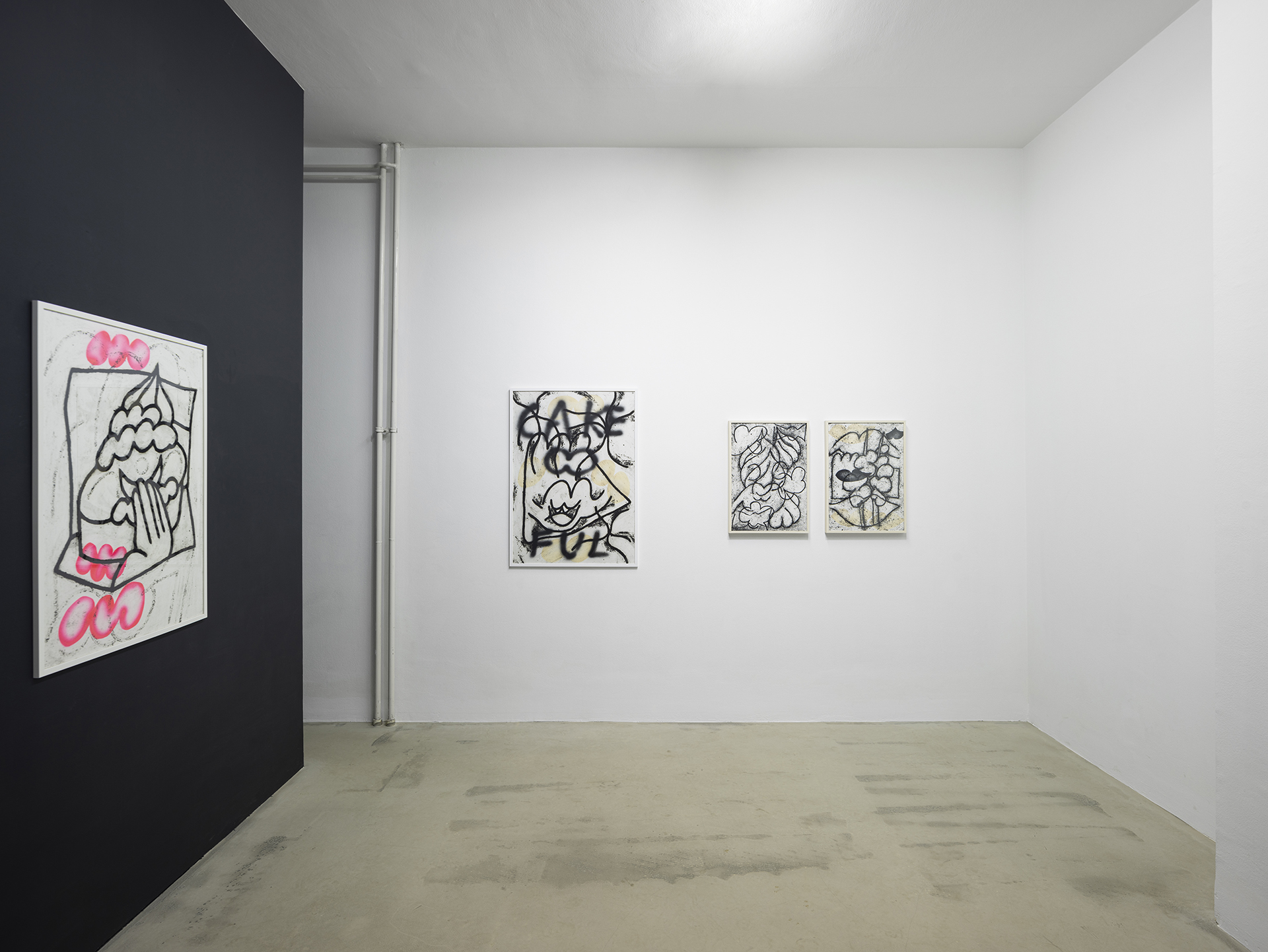
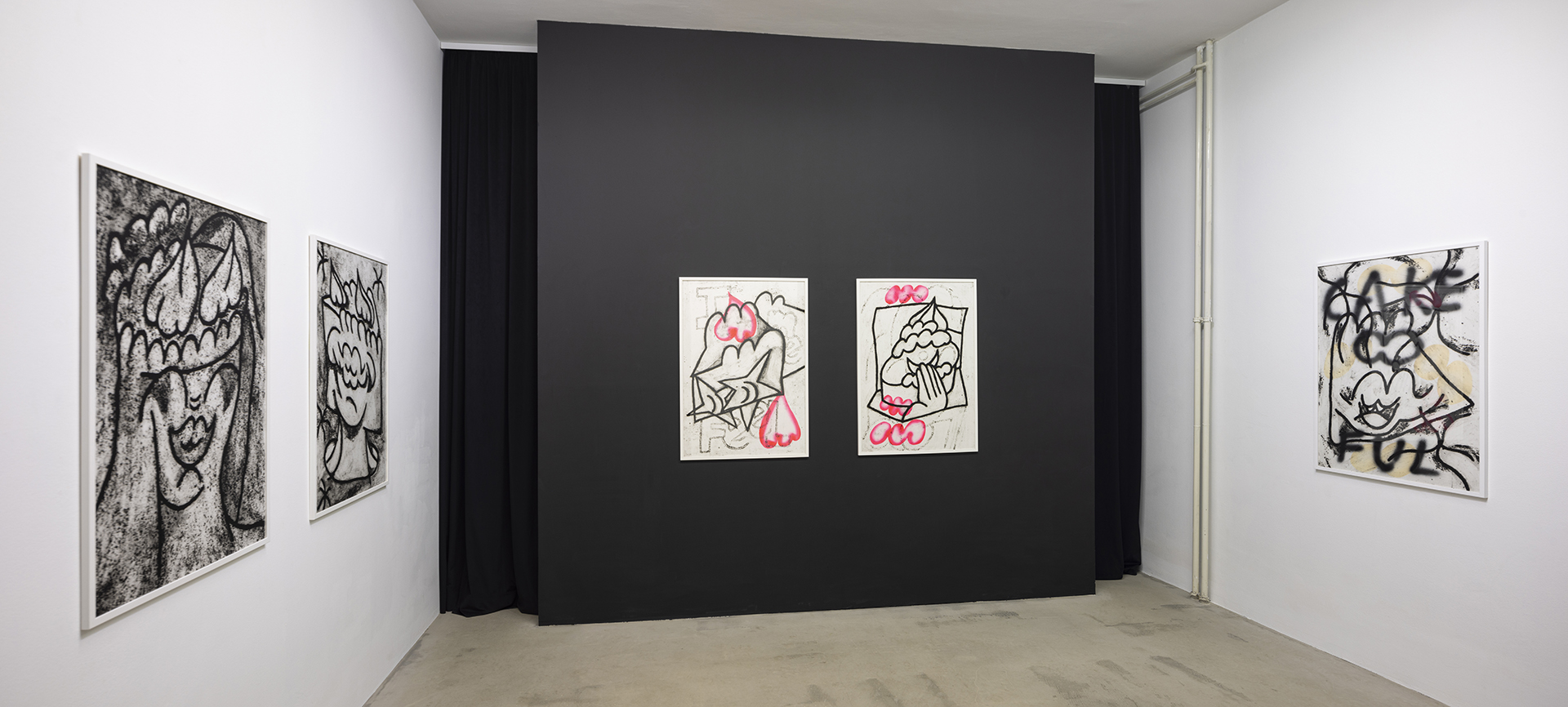
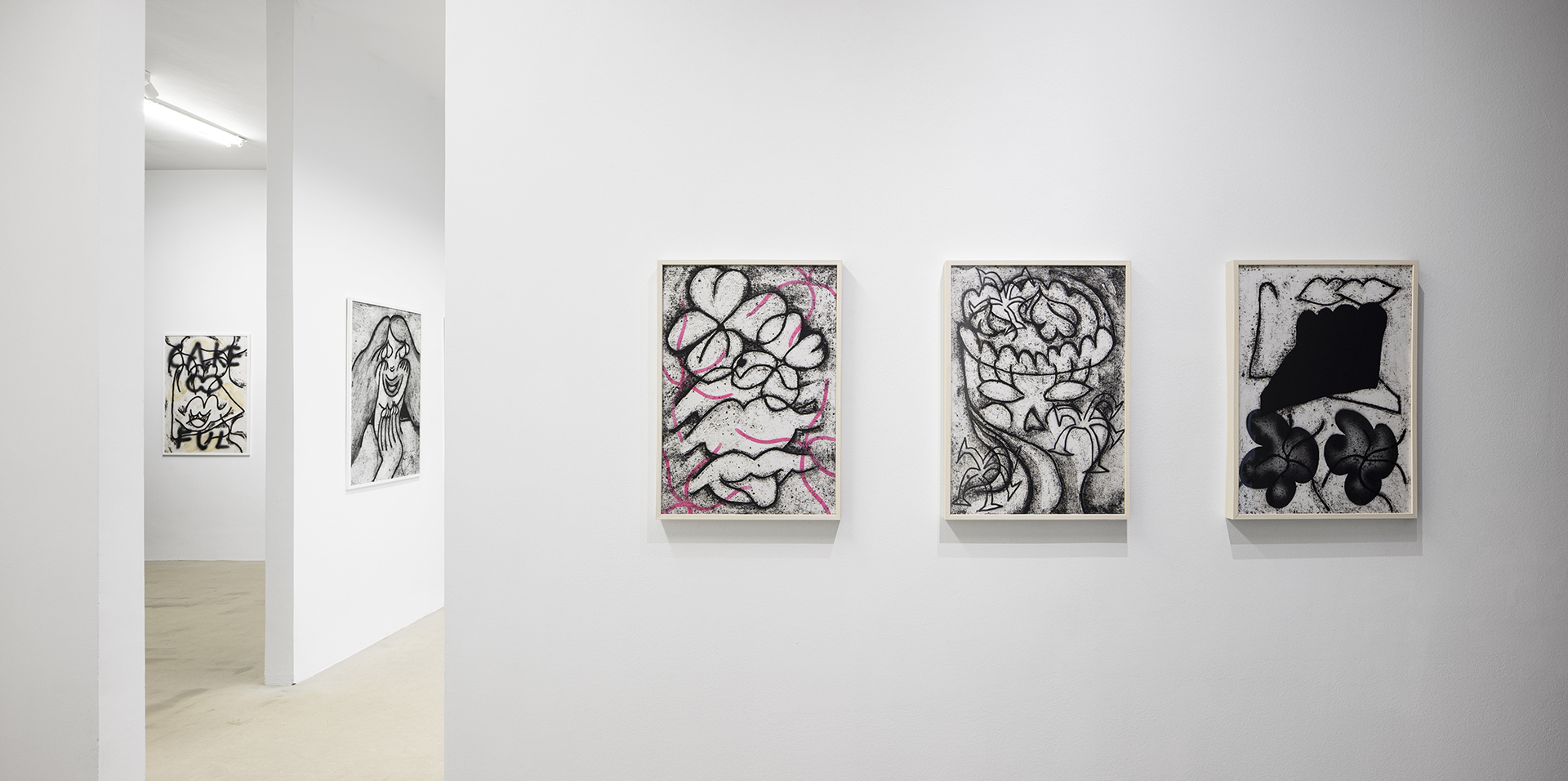
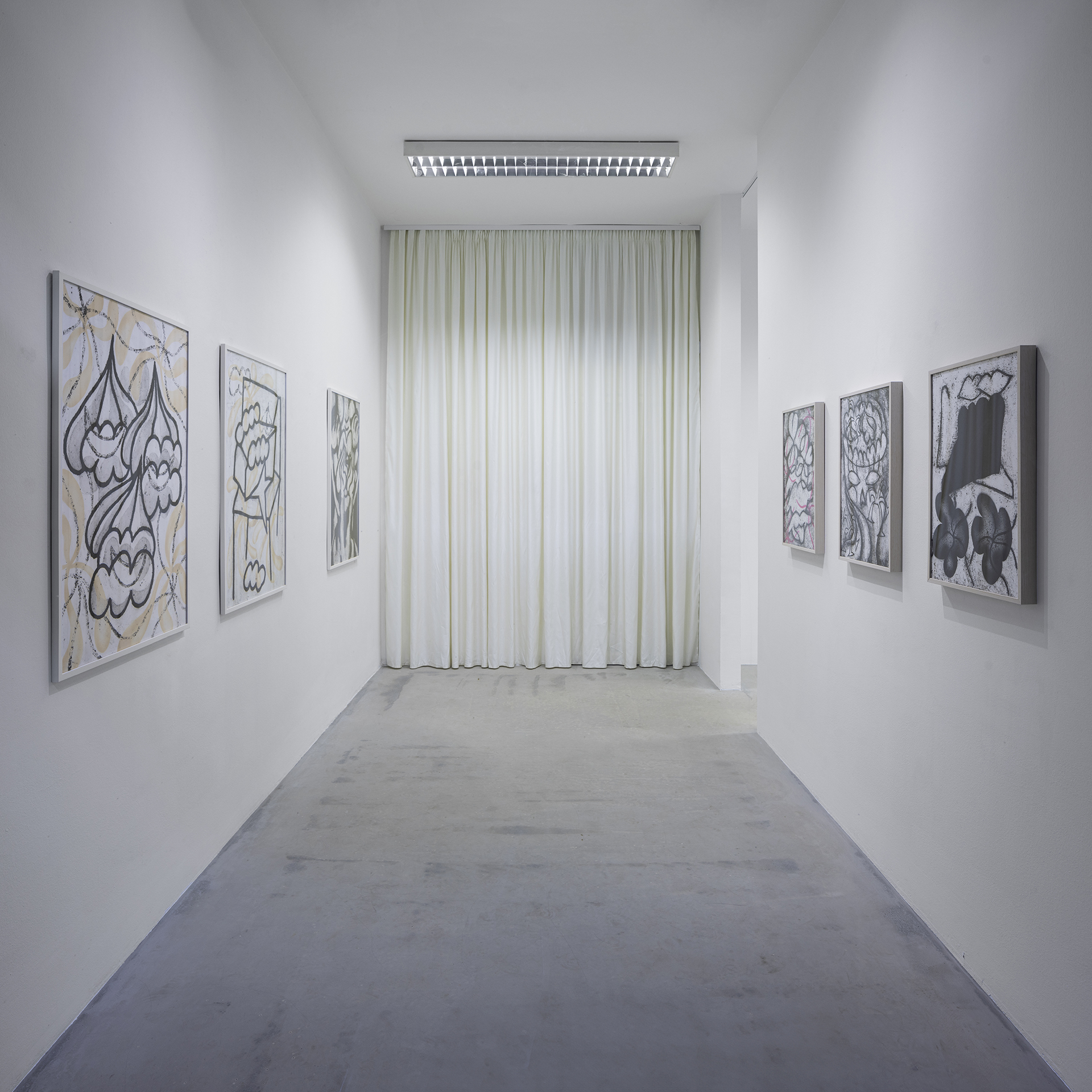
Cake at Tkalka Gallery, Maribor (SI), 2025
Photo: Jaka Babnik / Tkalka Gallery
Cake
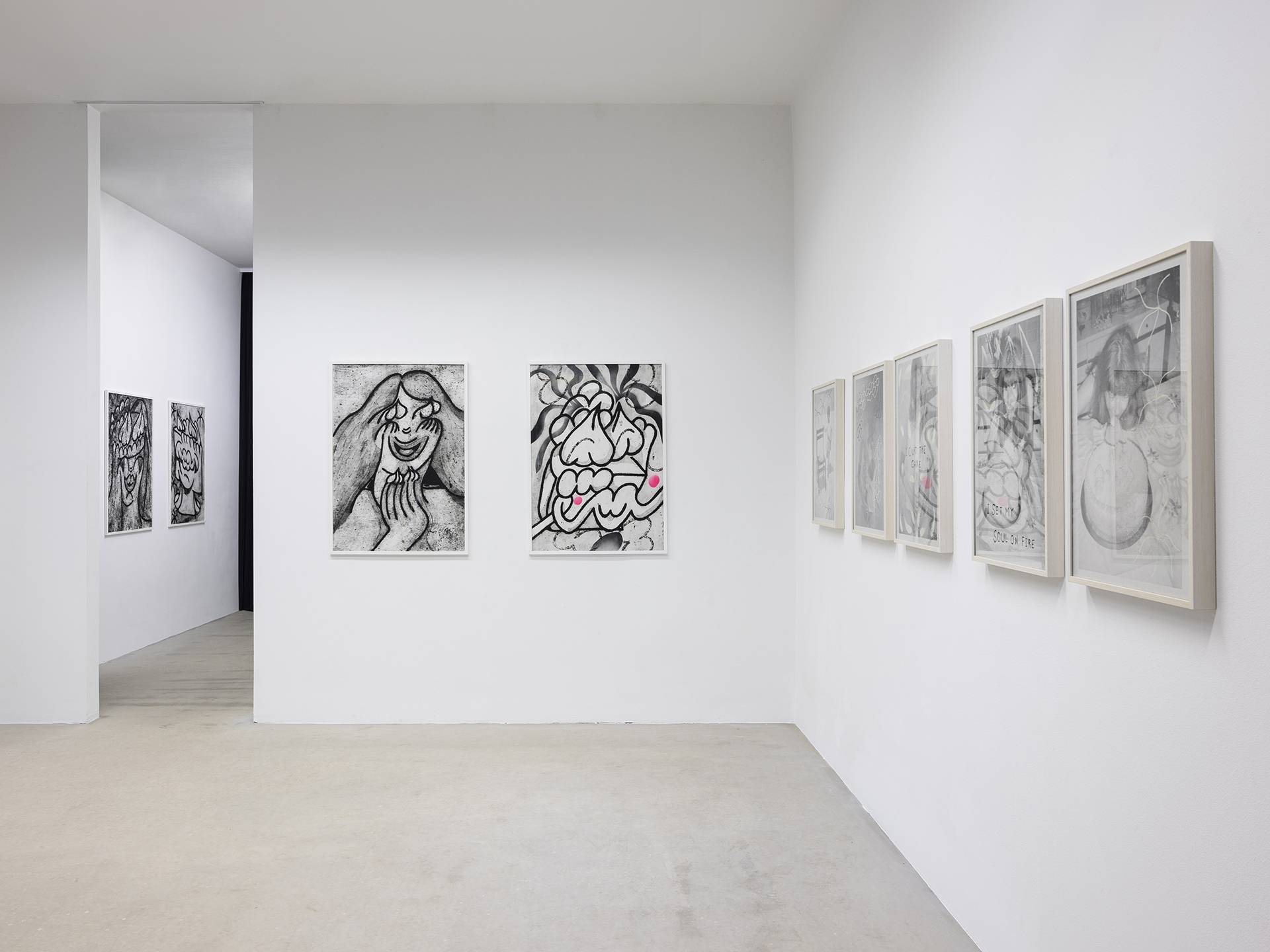
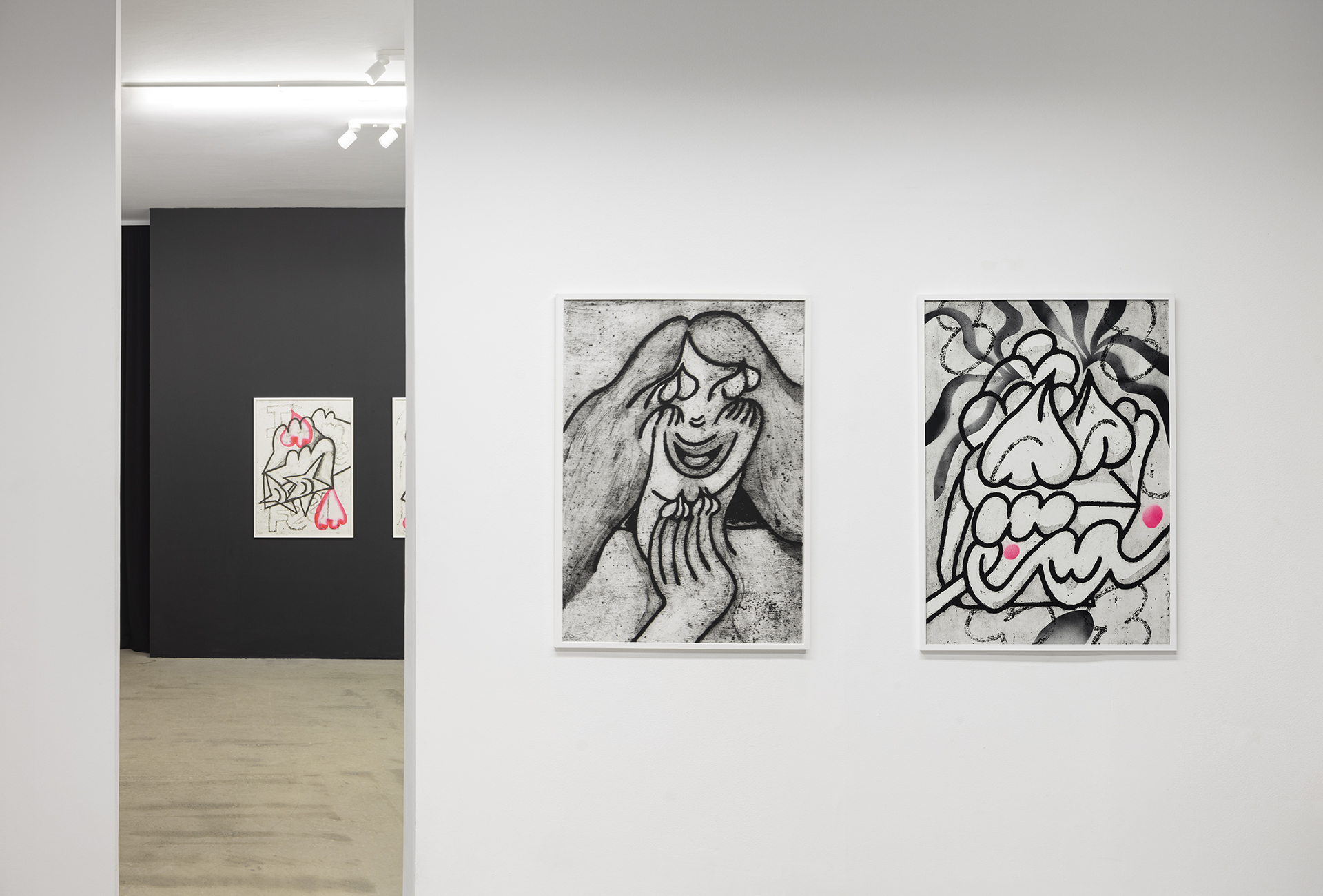
The graphics series Cake focuses on the intimate questioning of self-love through the motifs of self-portraiture, cake and flowers. The artist explores personal states of mind, drawing from childhood memories and feelings of carefree and joyful birthdays. This is not a nostalgic return to the past, but a starting point for reflecting on the present: how self-love is formed, when it becomes an act that requires conscious effort, and how we experience it in the present moment.
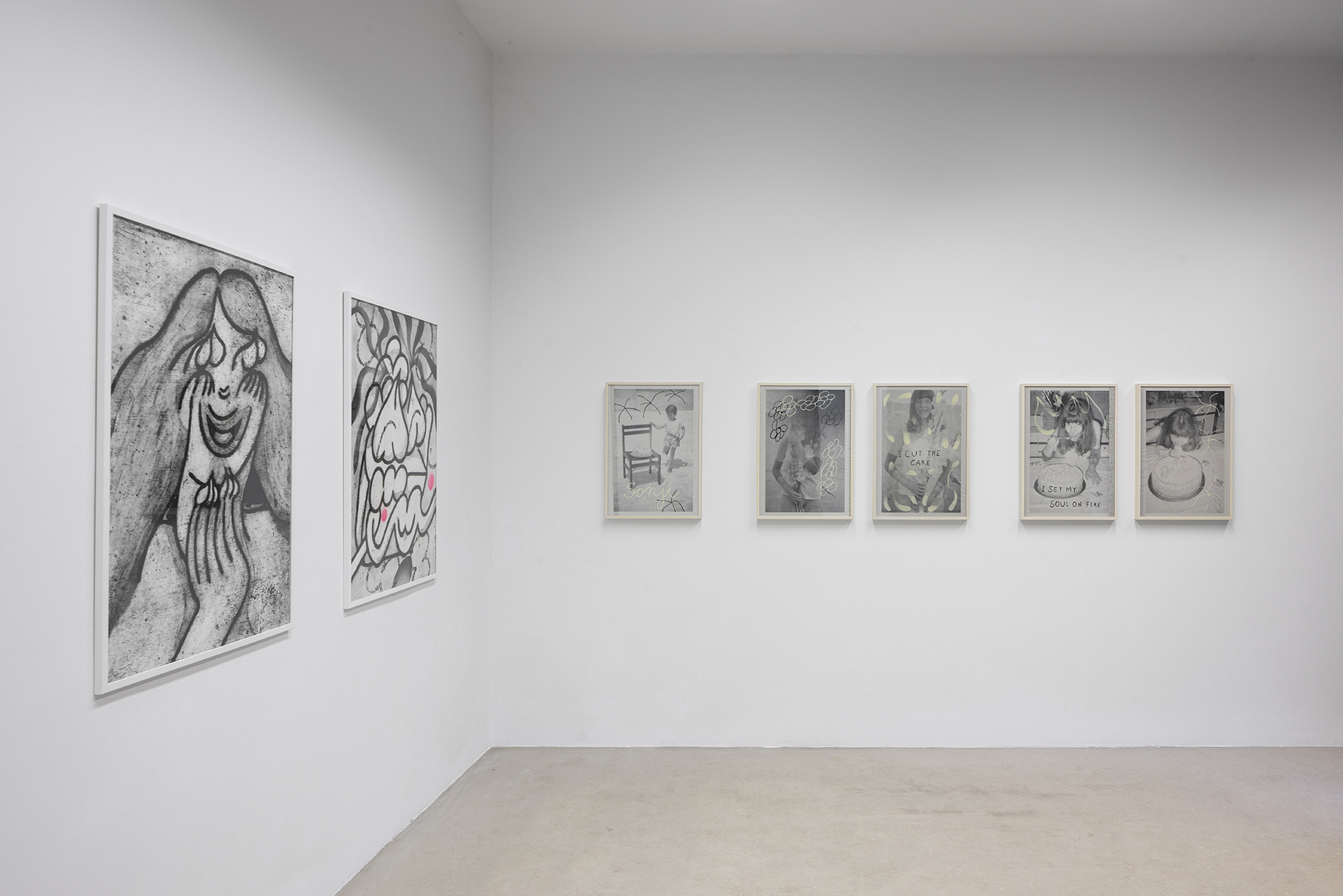
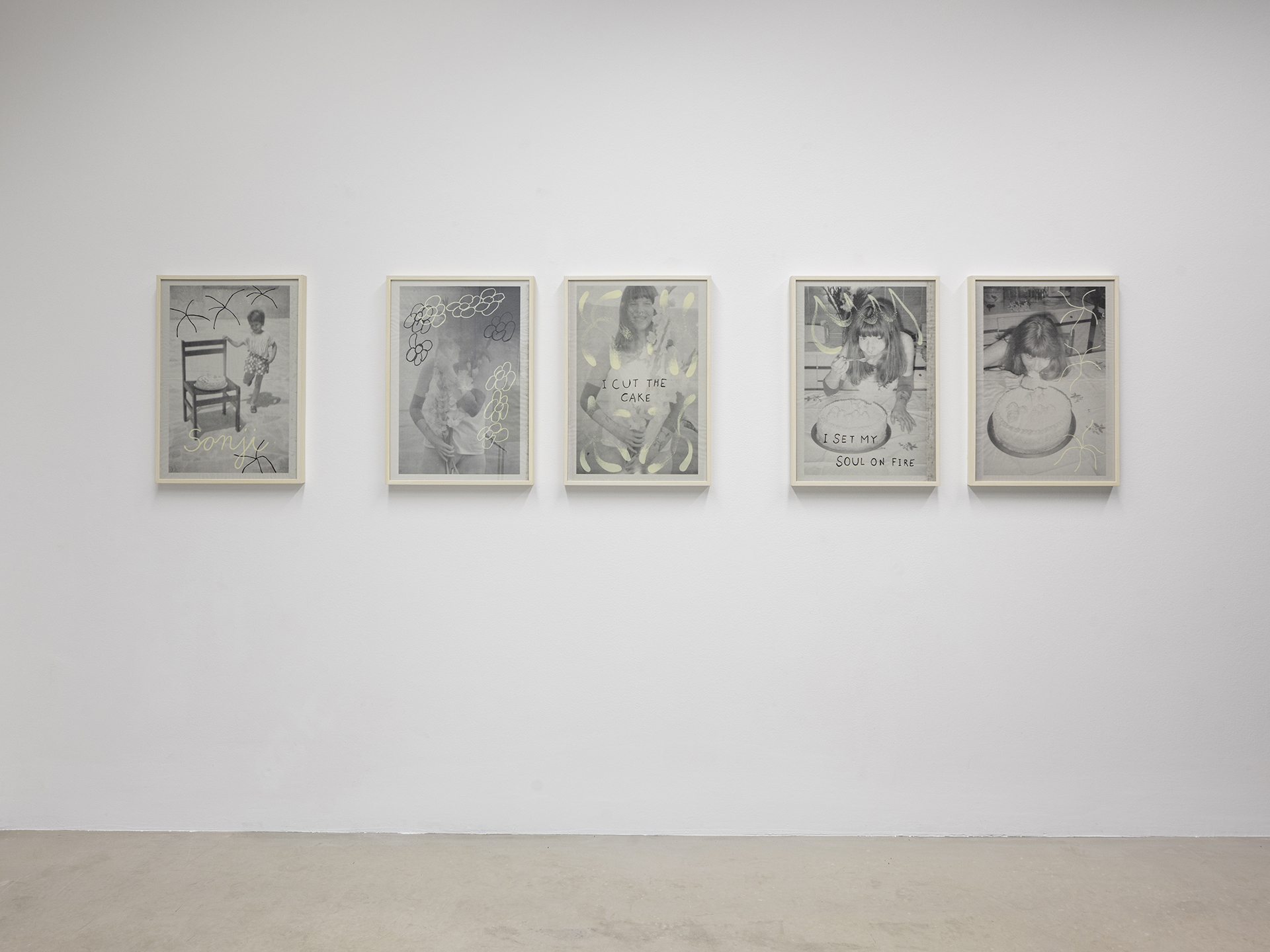
The series unfolds formally in two artistic and technical segments that complement each other. The first segment is based on analogue photographs transferred onto newsprint paper using the screen printing technique. The screen prints include current self-portraits and an archival photograph from the artist’s childhood. These intimate images are enhanced by drawing interventions and short phrases that serve as affirmations of her own empowerment.
The screen print featuring an archival photograph and the inscription Sonji [To Sonja] is particularly interesting, encompassing the entire concept of the series as a kind of “guide on how to read the exhibition”. The second segment, realised in the collagraph technique, brings an intuitive and playful personal approach to the subject matter, with a distinctly formed and recognisable visual language. Here, the elements of the cake – piece, icing and decoration – appear through layering, interpreting the artist’s image through an interplay of figurative elements, expressing feelings of contentment and self-love. The cake as a central visual motif is not just a symbol of celebration, but carries a more complex connotation. If in its everyday use, it marks milestones and commemorations, here it becomes an extension of the body – a metaphor for personal identity, which the artist explores through (self-)image. The self-portrait as a means of introspection plays a key role in the series. As the artist reflects on questions of identity and inner psychological states through her own image, her figure becomes a shifting space of exploration, revealing hidden layers of personal experience. For her, the process of creating a self-portrait is not merely a technical exercise, but an active confrontation with emotions that opens up a space for personal transformation.
By exploring self-love and self-worth, the artist creates a space for reflection on inner processes. Whereas her previous series Limbo depicted feelings of insecurity and psycho-physical entrapment, she now focuses on the search for inner warmth, tenderness and playfulness.
The Cake series is a thoughtful contribution to understanding the psychological processes that do not end in one moment of light-heartedness, but are constantly moving between acceptance, doubt and the recognition of one’s self-worth. Although based on personal experience, the topic can extend beyond the intimate and become relevant in a broader social context, where concern for well-being is often reduced to the search for instant affirmation, rather than understood as a long-term process of honesty, patience and understanding oneself. Social networks are flooded with idealised self-help rituals, where the concept of self-love is often caught up in the aesthetics of quick fixes. Images of tidy pastel interiors, snapshots of daily beauty rituals and personal care protocols are a matter of visual perfection, not deeper inner reflection. Vulpes’ prints do not fall into this category of simplistic representation; on the contrary, she approaches the topic authentically and introspectively. With this exhibition, the artist invites us to confront our own internal patterns and to consciously recognise that the love we cultivate for ourselves is a process that takes time, honesty and a willingness to change.
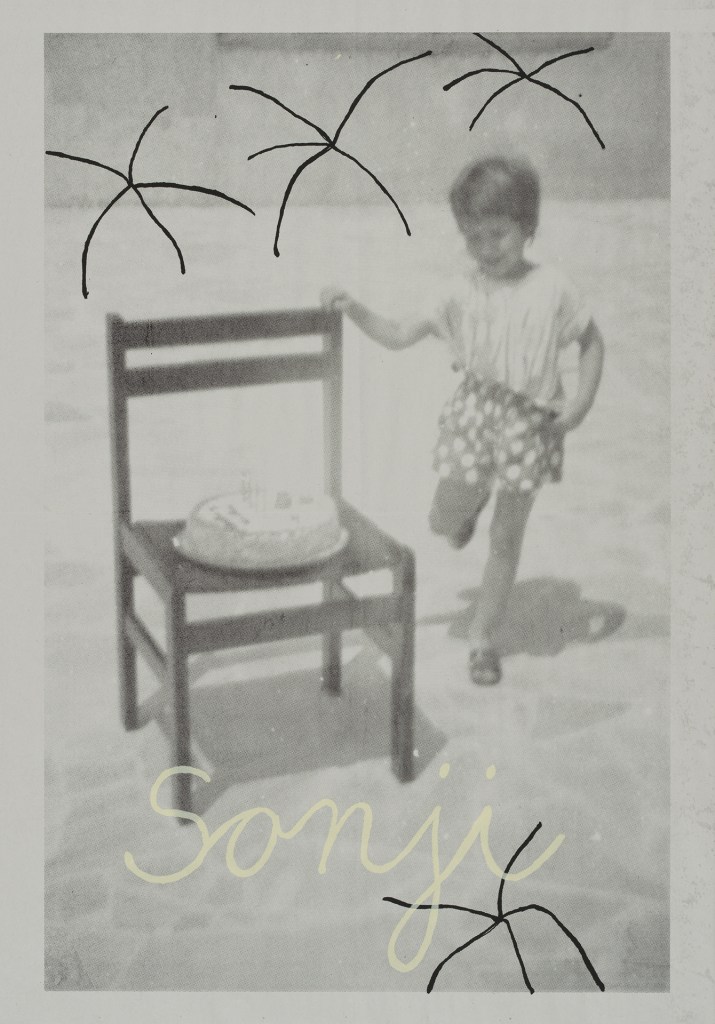
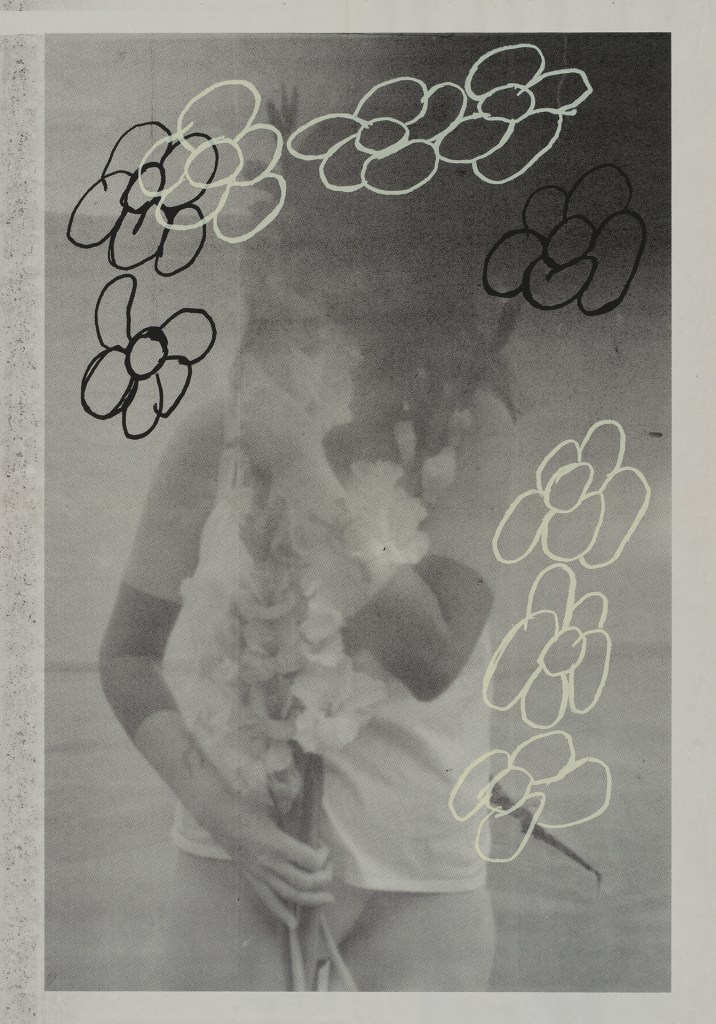
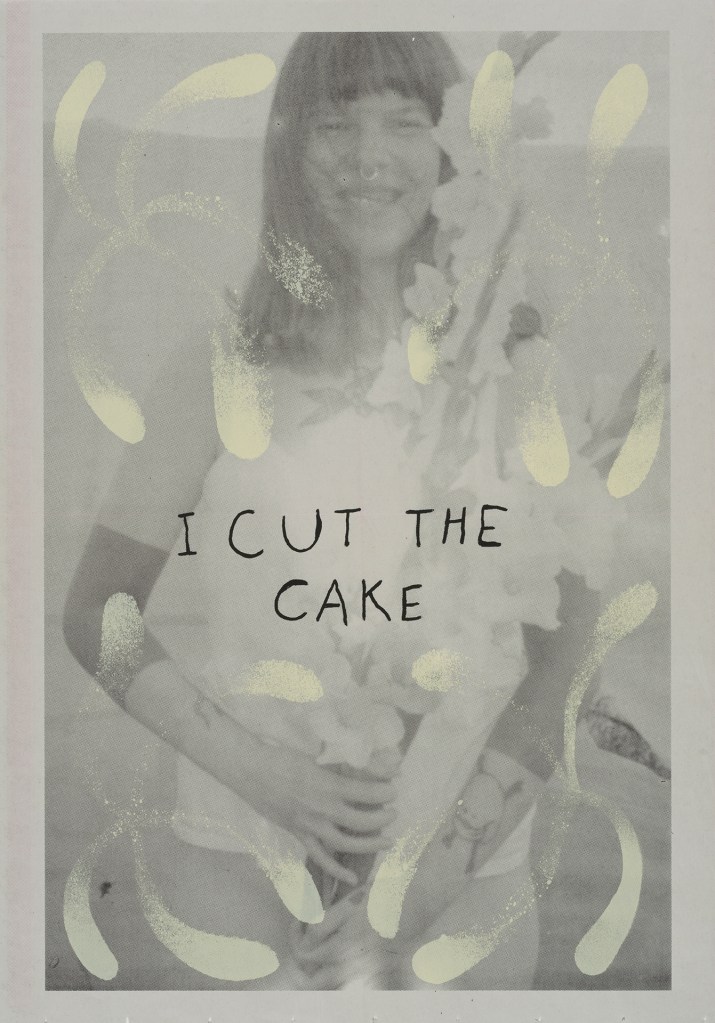
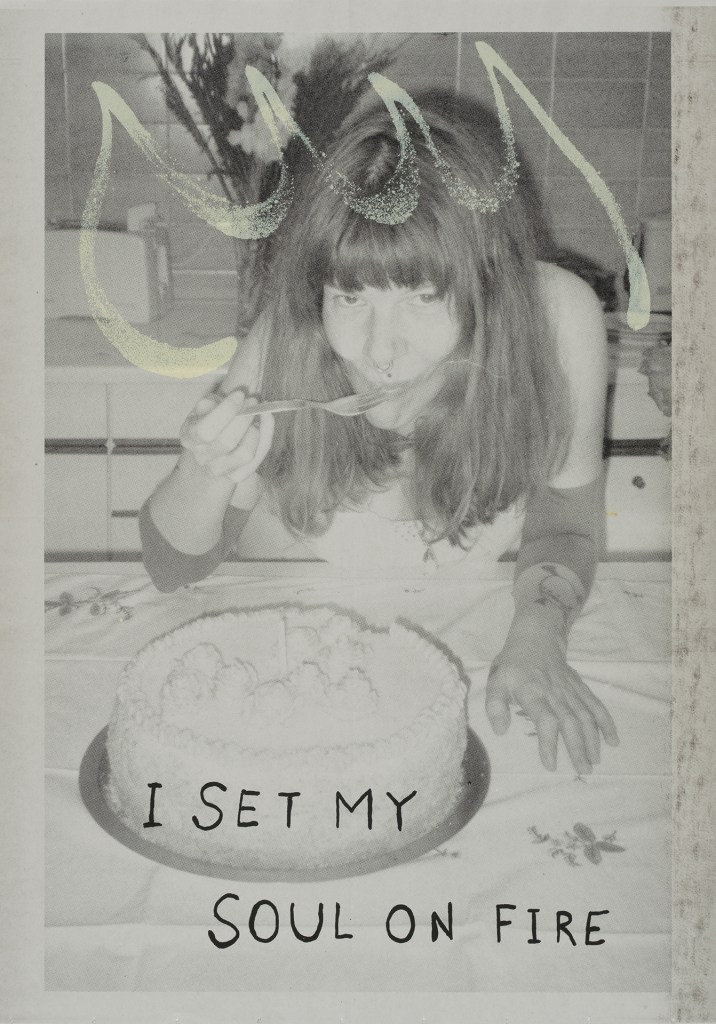
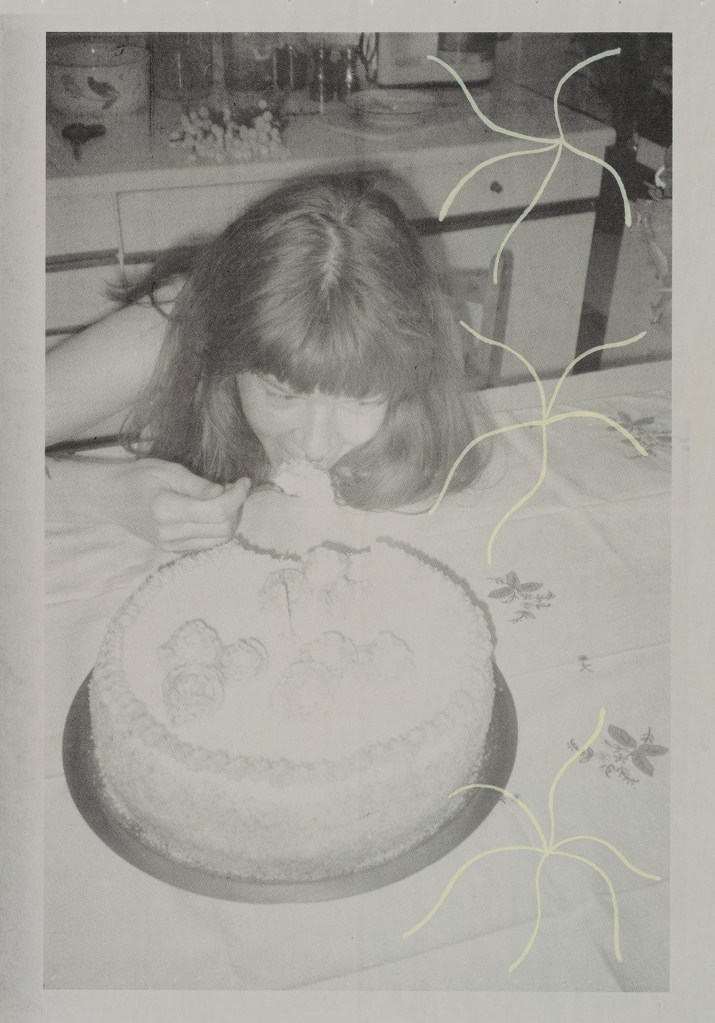
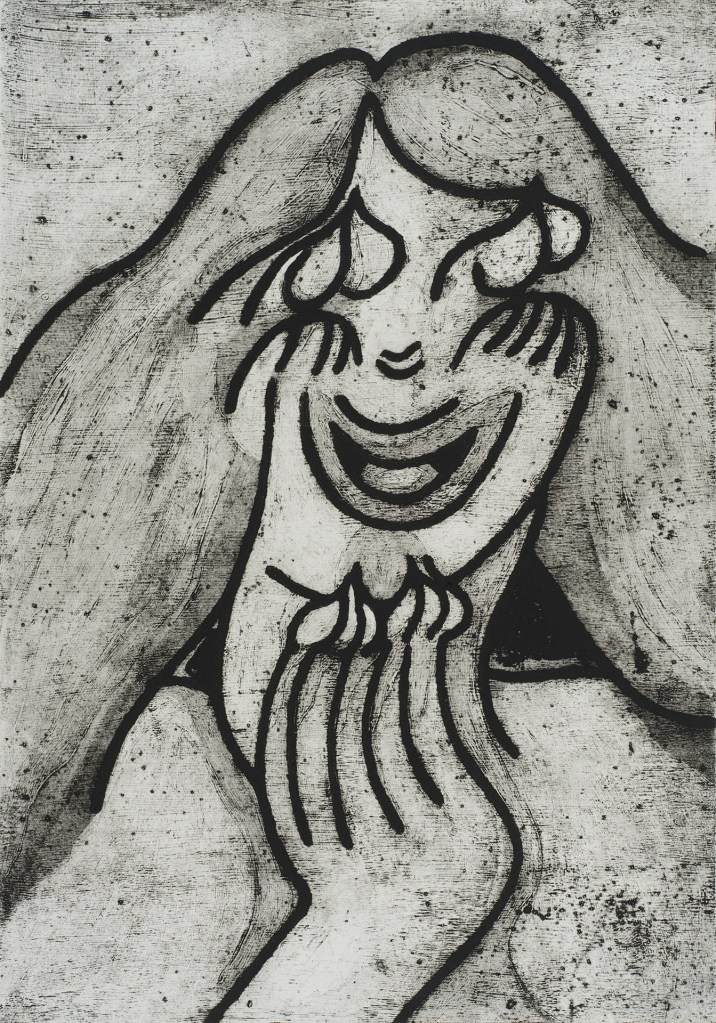
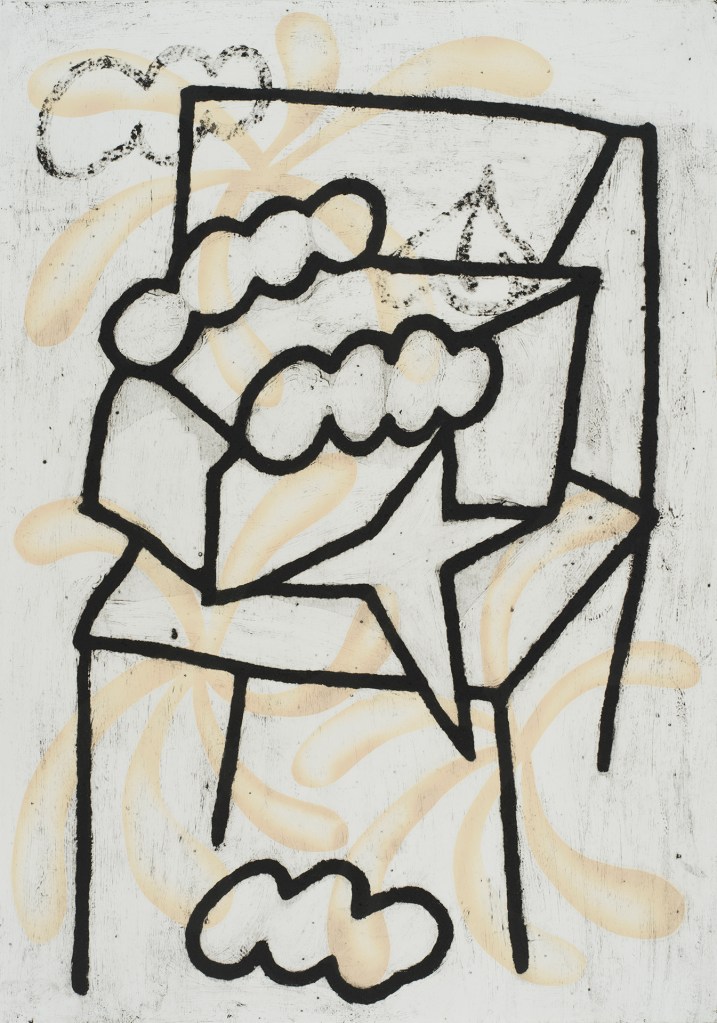
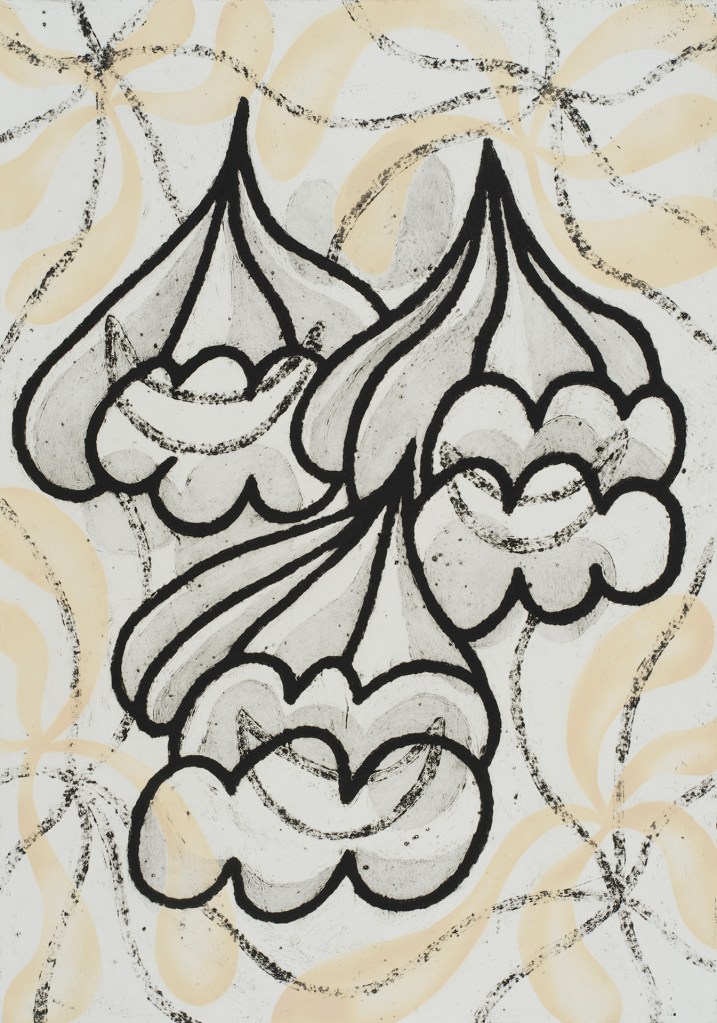
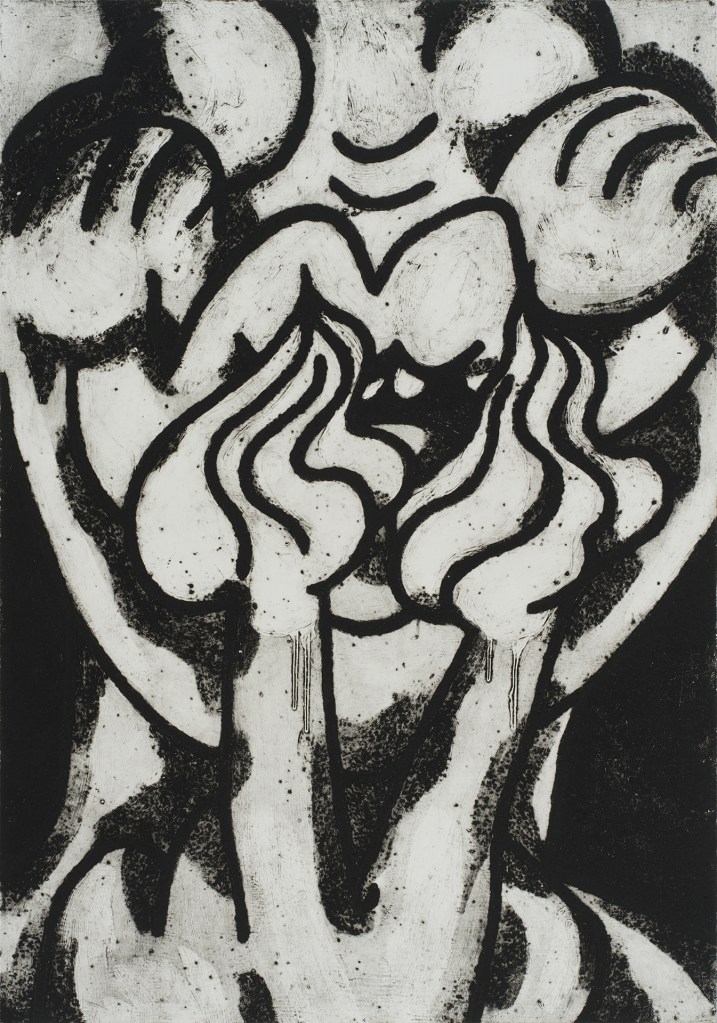
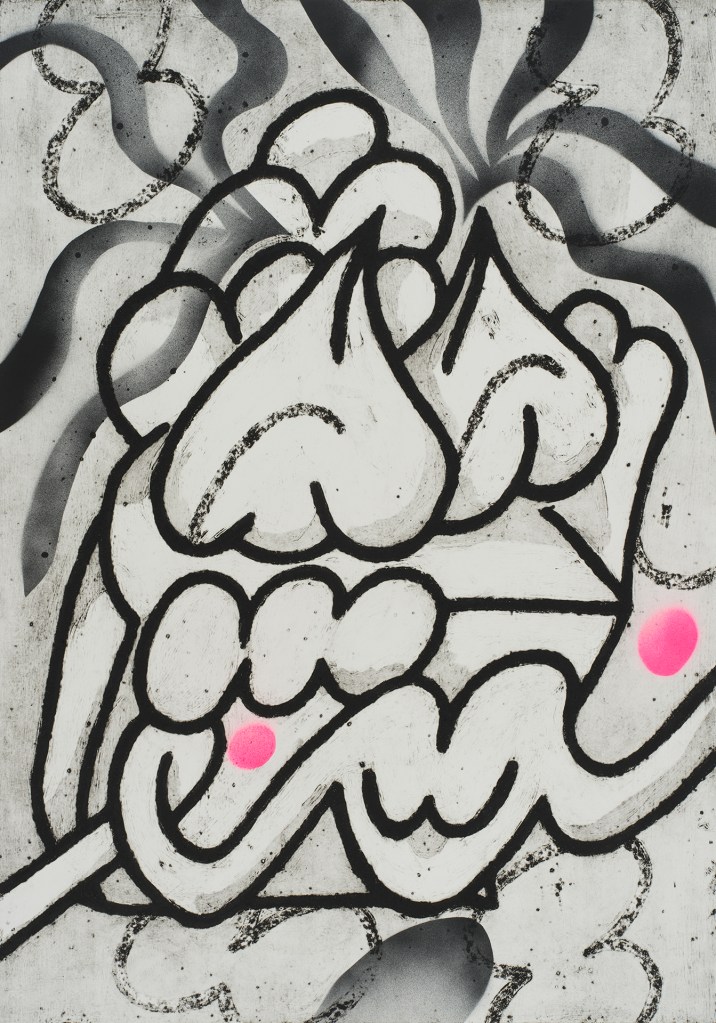
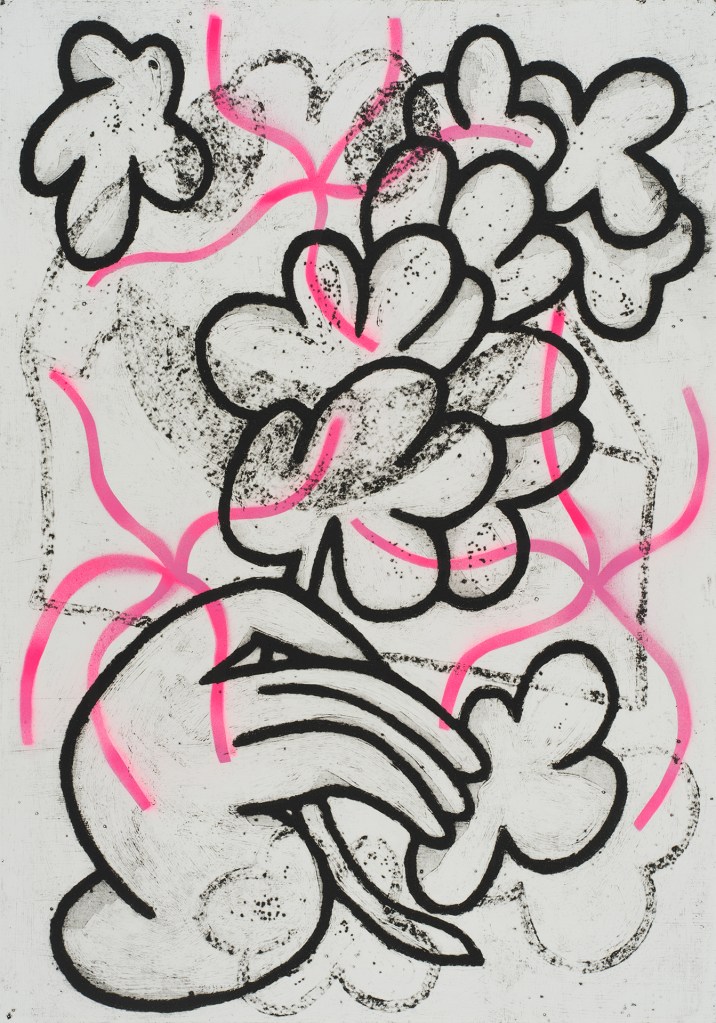
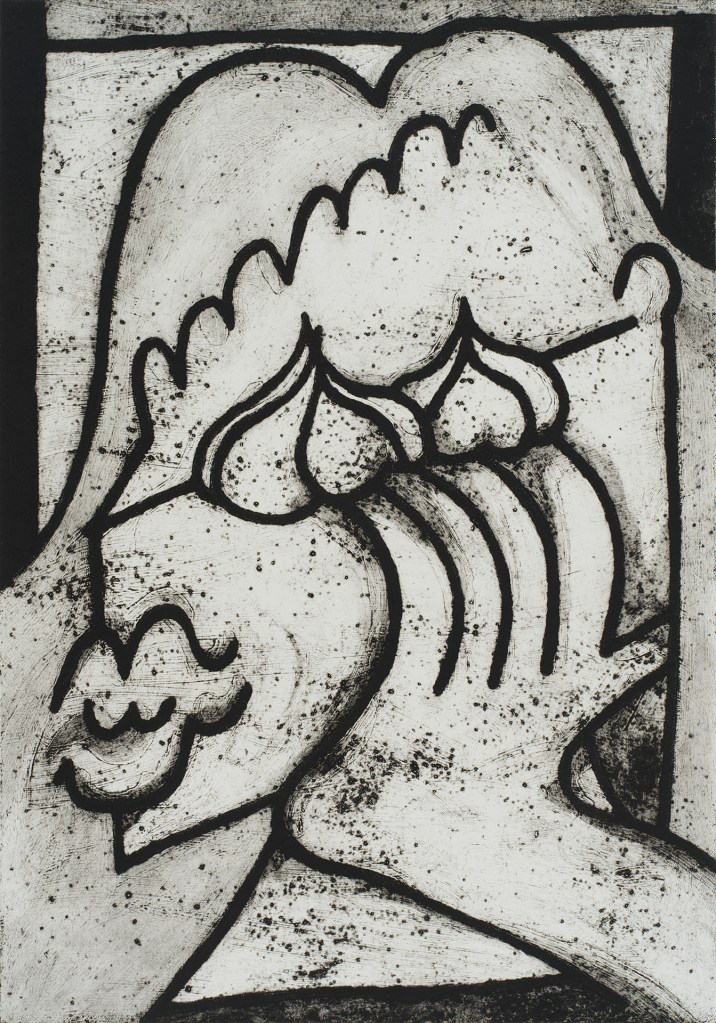
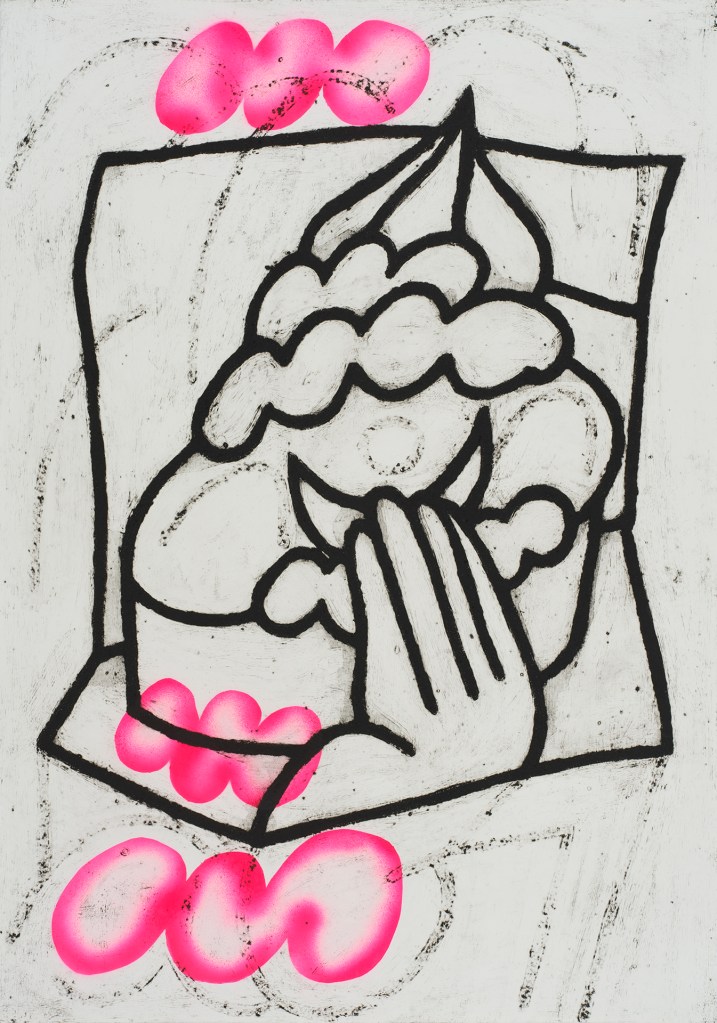
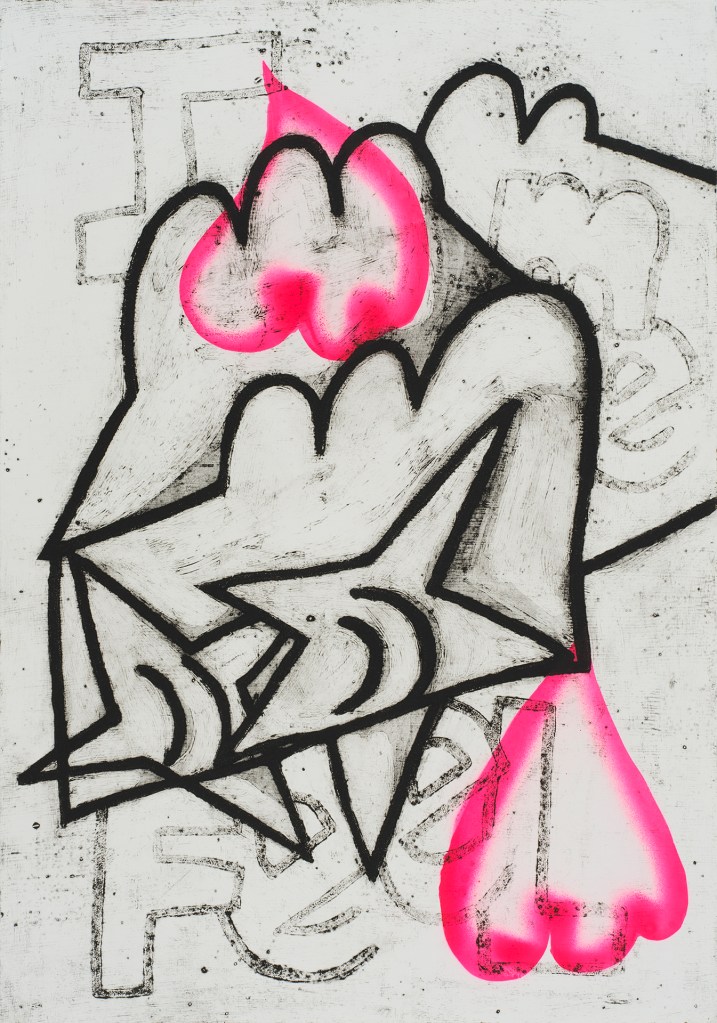
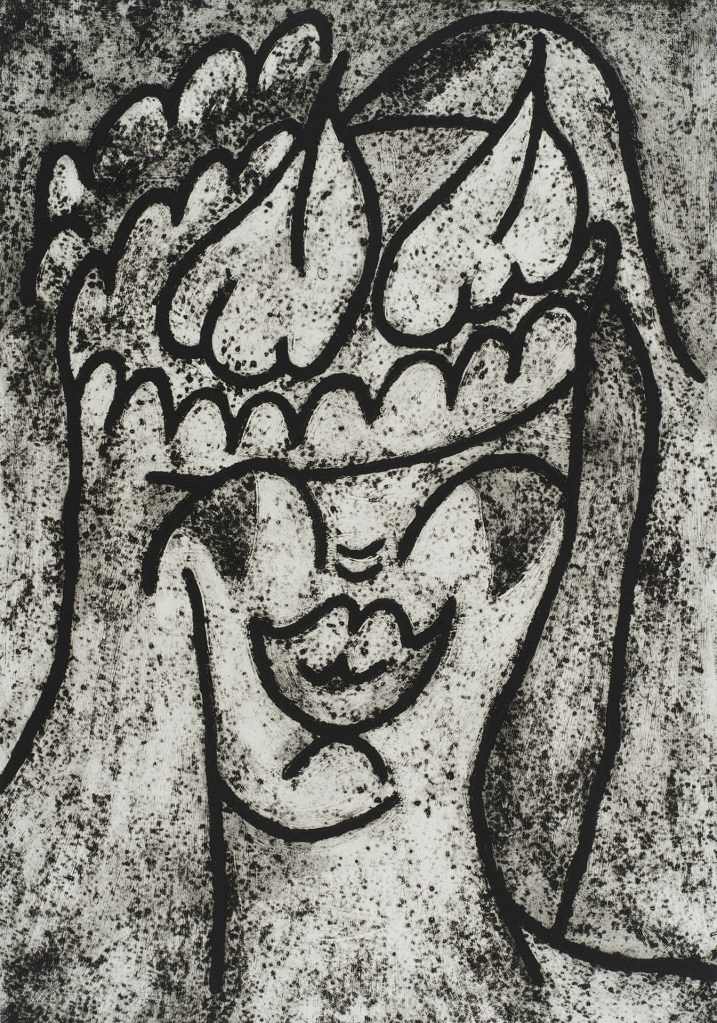
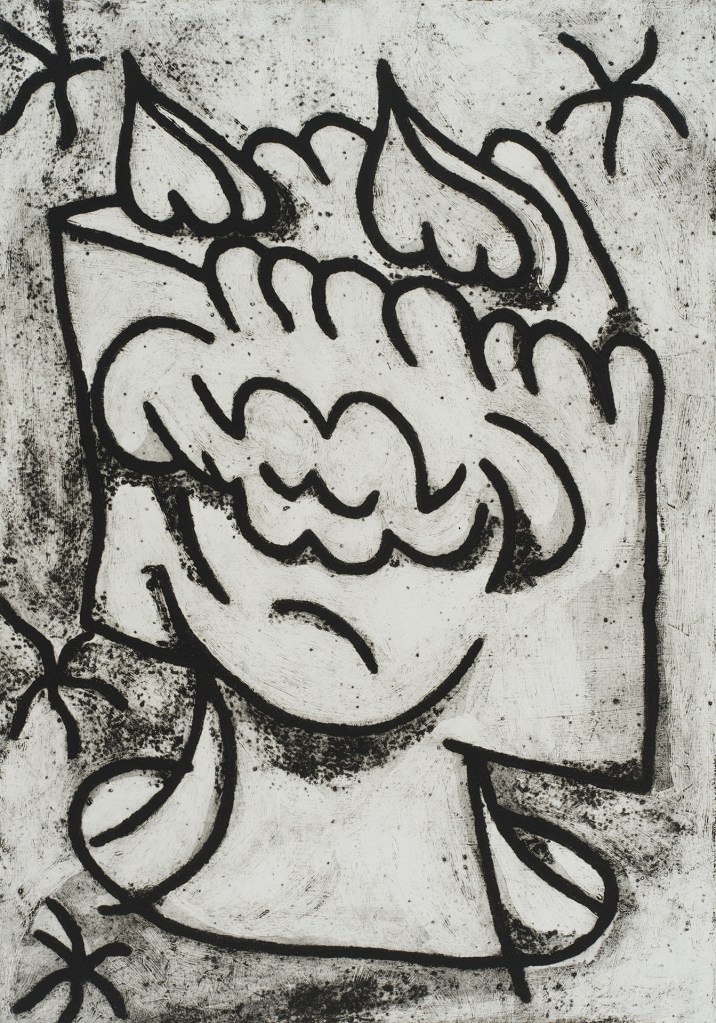
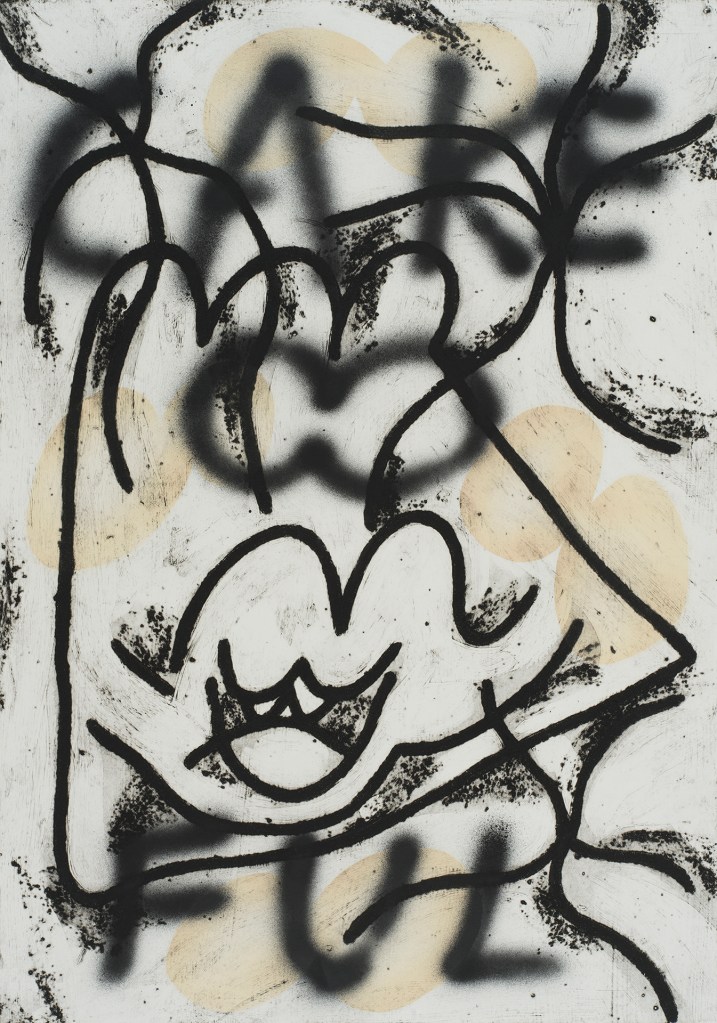
Photo: Jaka Babnik / Courtesy of the artist
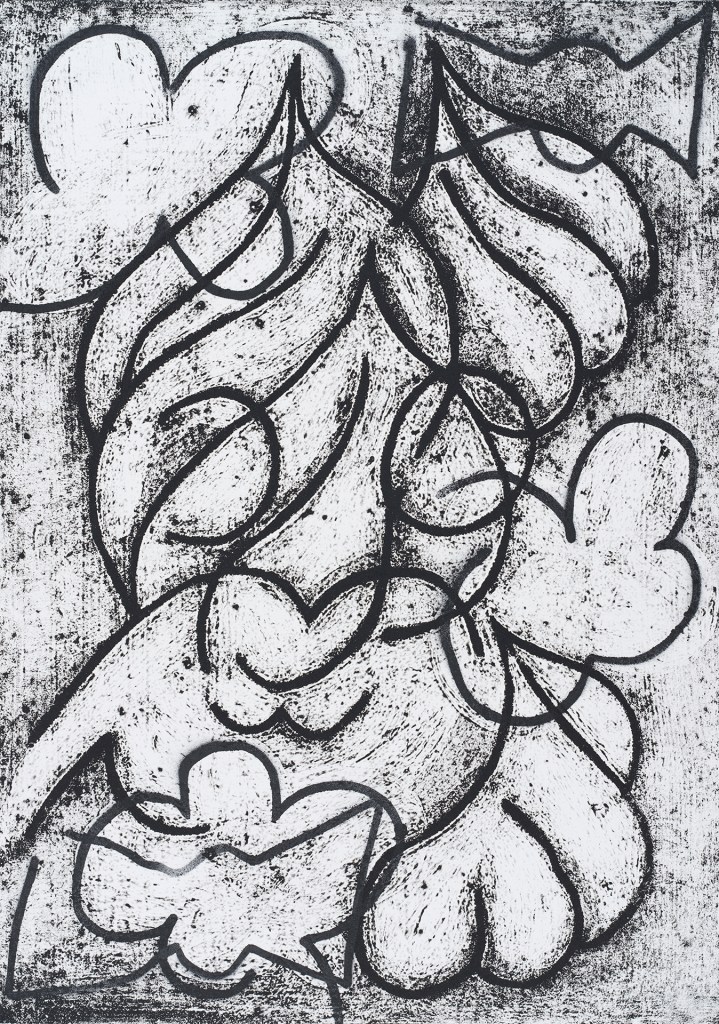
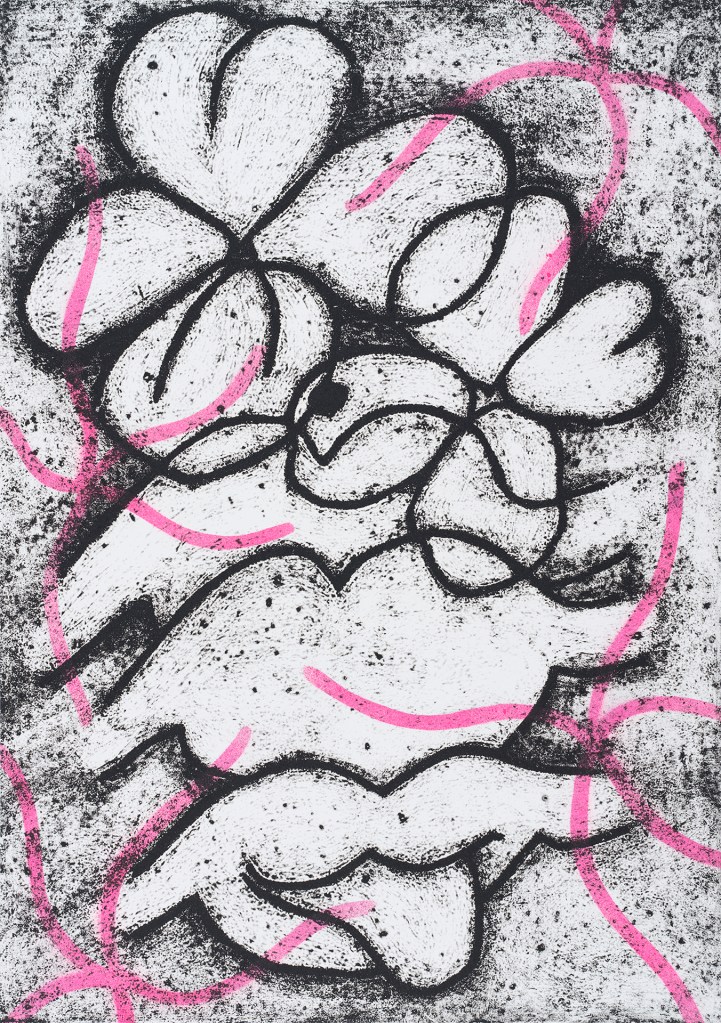
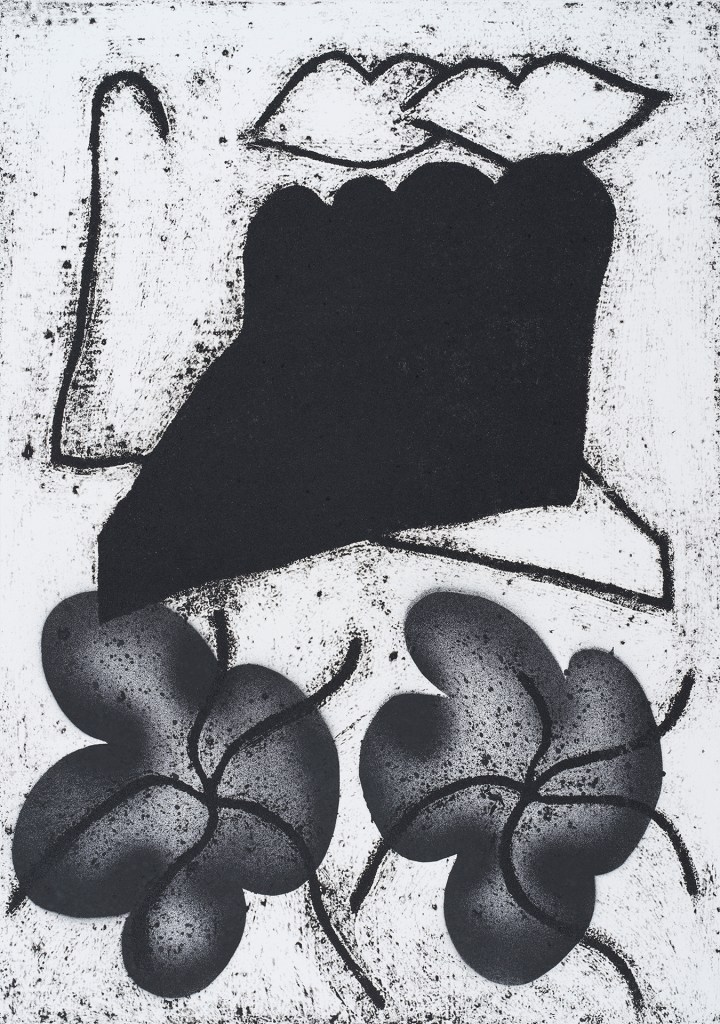
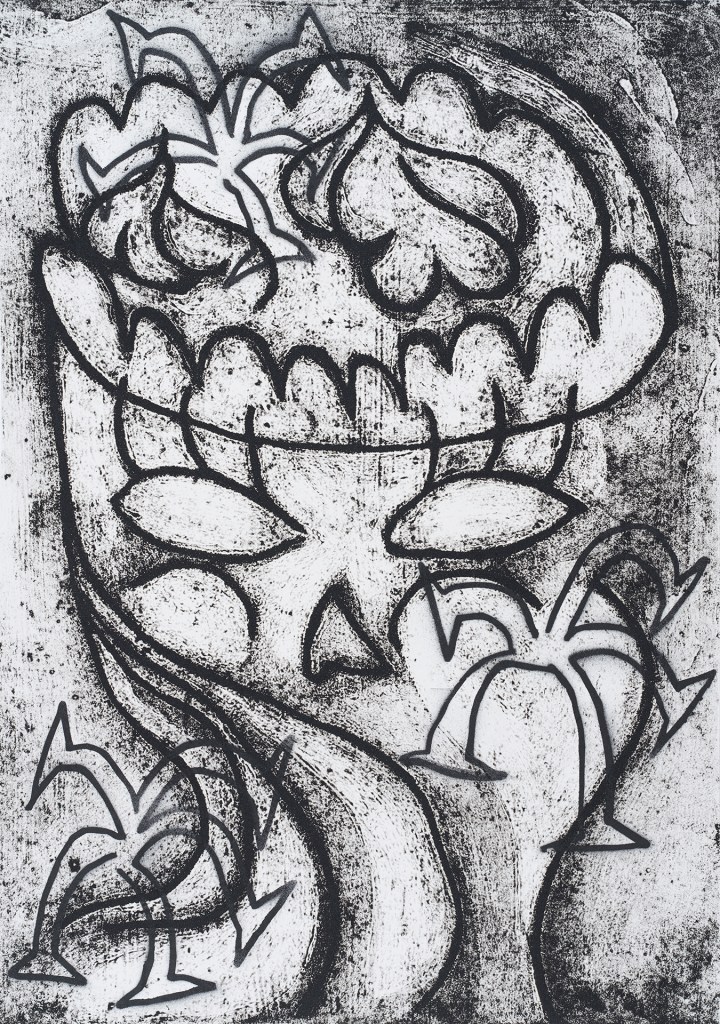
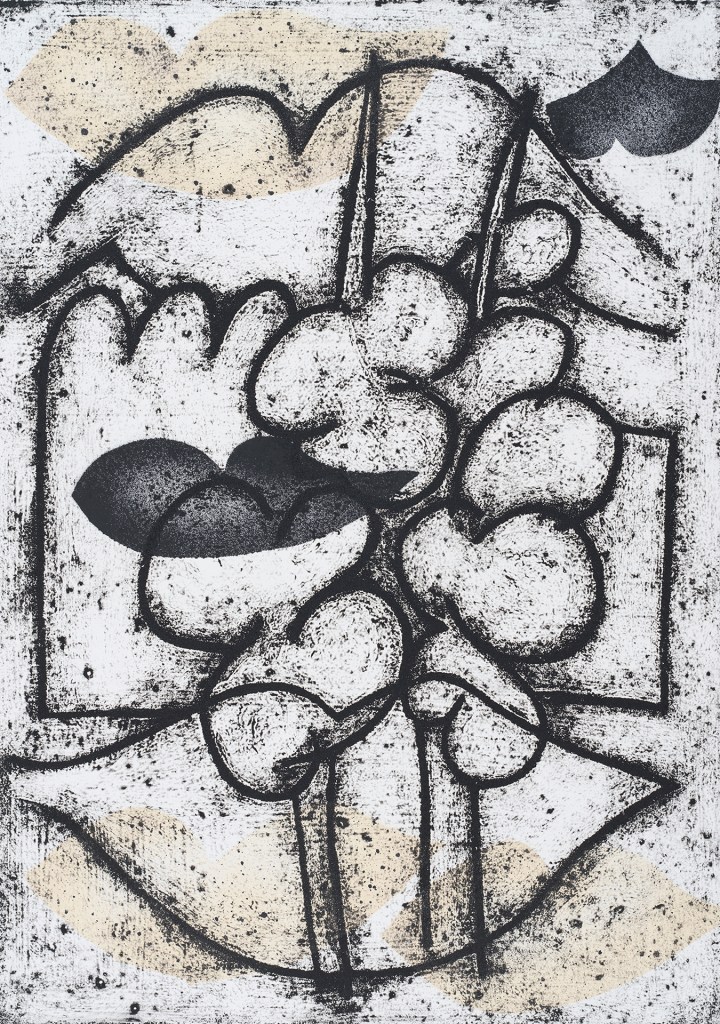
Photo: Jaka Babnik / Tkalka Gallery
Year of production: 2024–2025
Text: Anja Seničar, curator at Tkalka Gallery
Film developing: Peter Fettich / KELA Ljubljana
Screen printing: Leon Zuodar
